
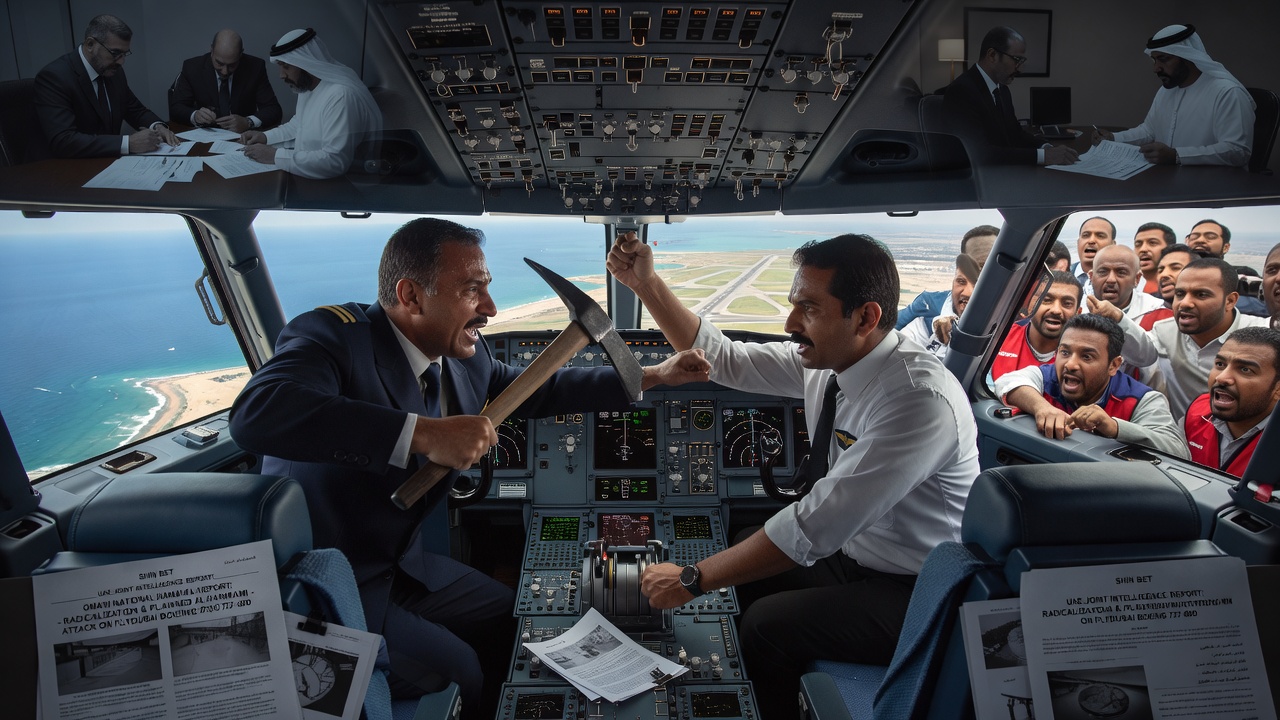
Shin Bet interrogators have traveled to the United Arab Emirates to take part in questioning the flydubai copilot accused of trying to crash a passenger jet carrying more than 170 people, most of them Israeli. The involvement of Israel's domestic security agency, confirmed for publication on Monday by Israeli officials, signals how seriously Jerusalem is treating an incident that could have ended in mass casualties over or near Ben Gurion Airport.
What investigators say happened
According to Israeli officials cited by Reuters, Omani national Hamam al-Hammami told UAE interrogators he had planned the attack before he was even hired by the Dubai-owned carrier, reportedly applying for the job specifically because flydubai flies to Tel Aviv. A separate source said he had considered hijacking and crashing an earlier flight to Israel this year but held back. Last week, armed with the aircraft's crash axe, he allegedly attacked the captain, Indian national Smit Machchhar, who was overpowered by passengers and crew and credited with getting the cockpit door open before disaster occurred.
A joint investigation with political weight
UAE authorities questioned the rest of the flight crew after some passengers described behavior they found unusual during the incident. Israeli officials say they share the UAE's conclusion that no other crew members were involved, though the episode has clearly left Israeli security agencies unwilling to simply accept a single national inquiry's findings. Having Shin Bet personnel embedded in the interrogation reflects a broader pattern in Israeli counterterrorism practice: when Israeli lives are the direct target, Israel seeks direct access to evidence and testimony rather than relying solely on foreign reporting of results.
The unresolved question of outside involvement
Reports attributed to Channel 12 suggest al-Hammami described his actions as revenge linked to Gaza and said he sought martyrdom, while a Mossad official reportedly told Israeli ministers that the copilot had made brief visits to countries hostile to Israel, prompting an inquiry into whether he was recruited or directed by any organization during those trips. That question remains open. US President Donald Trump said he personally believed Iran was responsible, without detailing the basis for that judgment, while Vice President JD Vance said he had seen nothing conclusive and would defer to intelligence officials. Prime Minister Benjamin Netanyahu said the copilot had undergone Islamist radicalization but cautioned it was premature to assign responsibility to Iran.
Aviation security implications
Beyond the question of state sponsorship, the case has reopened debate over vetting standards for flight crew, particularly background screening tied to nationality, travel history and online activity rather than résumé checks alone. Vance's remarks about foreign pilots and historical failures, invoking the 9/11 attacks, point to likely scrutiny of hiring practices at carriers operating international routes, including how airlines flag behavioral or ideological risk factors that do not necessarily show up in standard credentialing. Airlines, regulators and intelligence services will be watching closely for whatever the joint Shin Bet-UAE inquiry concludes about motive, planning and any outside hand in an attack that passengers and an unarmed captain stopped with their own hands.